
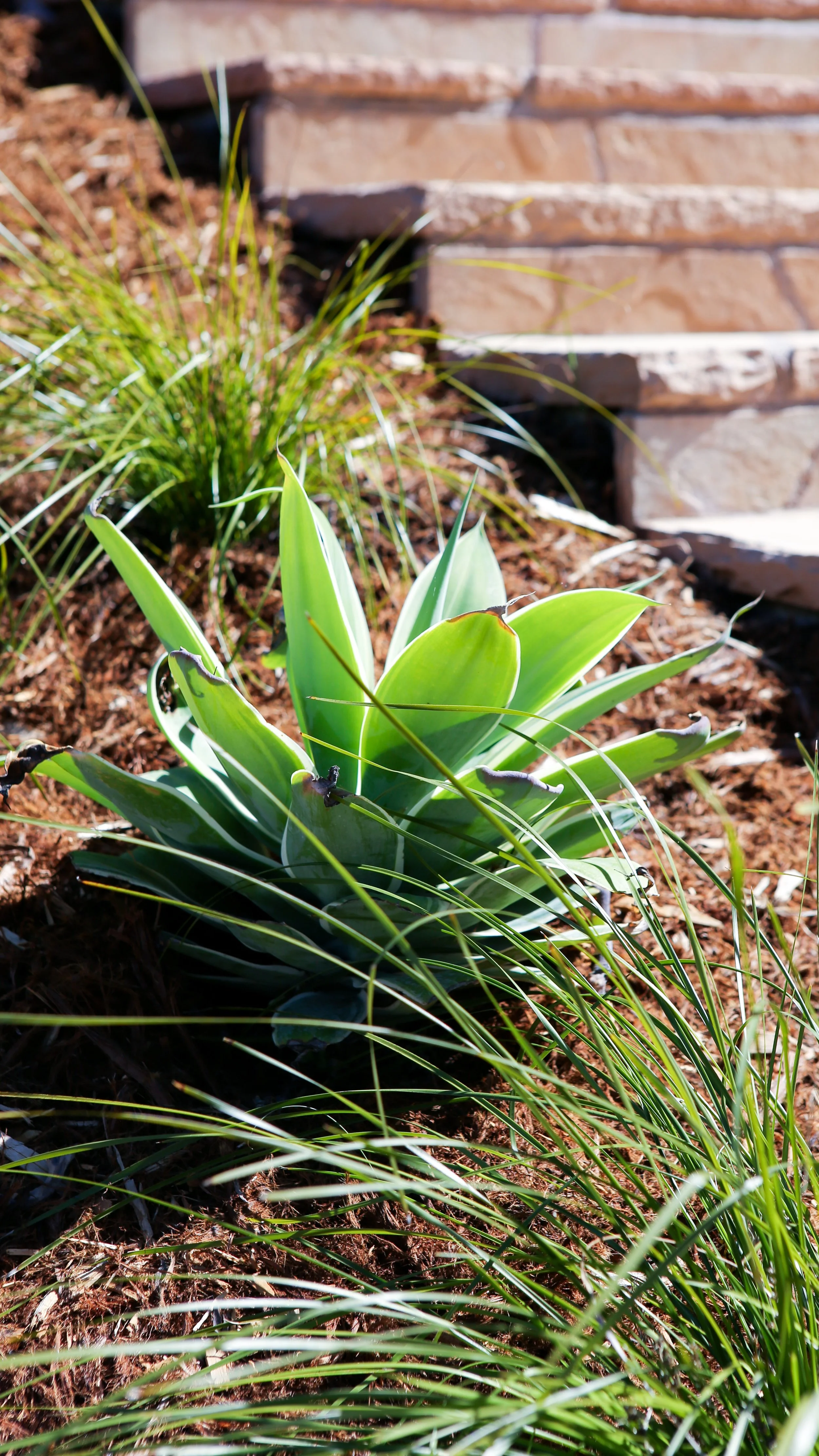
ecological design
Ecological design is founded on biophilic principles, creating a profound connection with nature by seamlessly integrating natural elements into both indoor and outdoor settings. This integration—including features such as plants, natural light, and accessible outdoor spaces—is proven to significantly enhance human wellbeing and productivity.
This approach transforms the built environment and nurtures a vital sense of belonging to the larger ecosystem. Fundamentally, ecological design shifts human development from dominating the natural world to working in genuine harmony with it.
ecological design principles
Ecological design principles focus on creating systems that work in harmony with nature, and emphasizes the importance of functional landscapes that support wildlife and enhance community resilience.
soil
Healthy soil is the fundamental building block upon which a healthy landscape is dependent upon.
We strive to protect the topsoil by limiting grading. If grading is necessary, we specify soil building techniques to regenerate critical biological soil life.
Our plan specifications include amendments to aid in building healthy soil and utilize mulch to protect the soil from heat and moisture loss.
water
Water infiltration and conservation, through creative stormwater management techniques, as well as utilization of native and climate-adapted plants, are emphasized in our landscape designs.
Drip irrigation is typically specified in our plans, since it applies water directly where it’s needed which reduces evaporation and overspray runoff from standard spray irrigation systems.
flora
Plants enhance our outdoor spaces while providing many ecosystem services that benefit us, as well as the animals that rely on them as food and habitat.
We consider all aspects of the plants that we specify. From the architectural beauty and scale they provide, the diversity to attract beneficial pollinators, to their experiential quality, we integrate plants thoughtfully into our designs.
fauna
Wildlife and biological diversity provides essential benefits for healthy ecosystems.
Biodiversity in our outdoor spaces aids in pest management by considering the predator/prey relationships and the habitats that facilitate them.
We also consider how the diversity of plants and animals relate to the health of the microbes in our soil, which are critical for a thriving landscape.